Exploring the Benefits of Kindergarten Programs: A Comprehensive Guide to Early Education And Learning
Kindergarten programs play a critical role fit a kid's early educational experience. They offer a structured atmosphere where young students can develop essential social skills, emotional durability, and cognitive capacities. These foundational abilities are essential as youngsters move right into even more official education. Understanding exactly how these programs contribute to a youngster's growth exposes much regarding their long-term educational trajectory. What certain advantages do these very early experiences supply, and just how do they affect a kid's future?
The Importance of Social Skills Advancement
While lots of elements of early education concentrate on academic abilities, the advancement of social abilities in kindergarten programs is similarly critical. Social skills incorporate the ability to interact efficiently, collaborate with peers, and navigate social circumstances, all of which are essential for a kid's general development. In preschool, kids discover to share, take turns, and deal with problems, cultivating a feeling of area and belonging. These experiences allow young students to develop and form relationships empathy, laying the groundwork for positive relationships in the future.
Educators play an essential role in assisting in social ability growth with structured activities and directed interactions. With group tasks and play, children practice necessary skills such as paying attention, discussing, and recognizing diverse point of views. These interactions aid kids develop confidence and self-confidence, critical parts for their individual and academic journeys. On the whole, supporting social abilities in preschool enhances children's experiences and prepares them for the complexities of social life beyond institution.
Structure Emotional Durability in Young Learners
Building psychological resilience in young students is basic to their total wellness and success in numerous aspects of life. Preschool programs give a structured environment where youngsters can learn to navigate their feelings efficiently. Through led tasks and interactions, educators help youngsters identify and express their sensations, fostering a sense of self-awareness.
In addition, these programs commonly include approaches for dealing with obstacles, such as analytic activities and role-playing situations that prepare youngsters for real-life circumstances. By encouraging teamwork and compassion, young learners create strong social links, which are crucial for emotional support.
Teachers play a critical role in modeling resilience by demonstrating exactly how to take care of stress and anxiety and adversity. As kids observe these actions, they internalize valuable coping systems, outfitting them to manage future psychological troubles with better convenience. Overall, supporting emotional strength in very early education lays a solid foundation for lifelong mental wellness and adaptability.
Enhancing Cognitive Capabilities Through Structured Learning
As youngsters engage in structured discovering experiences within kindergarten programs, their cognitive capacities are substantially boosted. These programs introduce age-appropriate tasks that promote crucial thinking and analytic abilities. Hands-on tasks such as puzzles and building blocks promote spatial understanding and rational thinking.
Interactive narration and group conversations foster language growth, broadening vocabulary and understanding. Through organized routines, kids learn to comply with instructions, enhancing their executive working abilities, which are vital for future academic success.
Social communications within these programs also play a considerable duty, as children discover to collaborate and connect successfully, additional increasing cognitive development.
Furthermore, integrating play-based understanding enables children to check out principles in an enjoyable and interesting means, strengthening their understanding and retention of expertise. In general, organized knowing in preschool lays a strong structure for cognitive development, preparing kids for the difficulties of college.
Promoting a Love for Lifelong Learning
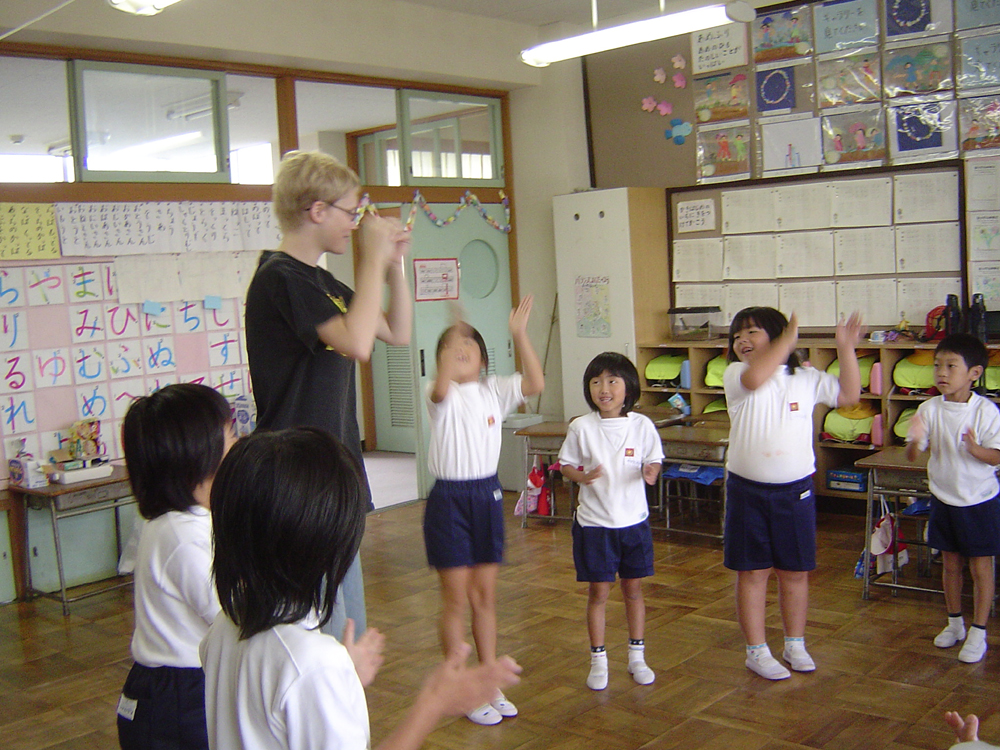
Additionally, favorable communications with instructors and peers add to an atmosphere where discovering is deemed gratifying and enjoyable. This encouraging environment aids impart innate inspiration and reinforces the concept that education is a constant trip instead than a location.
As youngsters find their toughness and passions, they are more probable to go after understanding beyond the class, laying the foundation for a long-lasting dedication to understanding. Eventually, preschool programs play an essential role in shaping enthusiastic learners that welcome academic possibilities throughout their lives.
Preparing for Future Academic Success
While fundamental skills are vital for very early students, preschool programs additionally play a critical duty in preparing children for future academic success. These programs present essential principles such as proficiency and numeracy, guaranteeing that children establish the cognitive abilities required for even more innovative understanding. By participating in structured activities, trainees improve vital reasoning and problem-solving abilities, laying a strong groundwork for their academic journey.
In addition, preschool promotes social-emotional development, making it possible for youngsters to navigate collaborative tasks and build partnerships with peers. This collective setting infuses a sense of belonging and increases confidence, which is necessary for academic determination.
Additionally, exposure to varied knowing experiences in preschool grows adaptability, furnishing children to take on different topics and obstacles in succeeding grades (Kindergarten). Eventually, by supplying a well-rounded very early education, kindergarten programs guarantee that youngsters are not only ready for initial quality yet likewise planned for continued scholastic achievement throughout their academic professions
Regularly Asked Concerns
What Age Is Perfect for Beginning Kindergarten Programs?
The optimal age for starting preschool programs is normally between 5 and 6 years of ages. This age allows kids to develop important social, emotional, and cognitive skills, preparing them for future scholastic success and personal growth.
Just how Do I Select the Right Kindergarten Program for My Kid?
To pick the appropriate preschool program, one ought to consider factors such as curriculum, teacher credentials, class size, location, and the college's ideology. Observing the environment and event feedback from various other parents can likewise be helpful.
Exist Any Kind Of State Demands for Kindergarten Registration?
Several states have certain requirements for kindergarten registration, consisting of age restrictions and documentation such as birth certifications or evidence of residency (Private School). Moms and dads must consult their local education authority to recognize the specific requirements in their location
What Should Parents Anticipate During a Common Kindergarten Day?
During a common preschool day, parents can expect organized activities including circle time, innovative he said play, basic academic lessons, snack breaks, and social interaction, all created to foster learning and advancement in a nurturing atmosphere.
Exactly How Can Moms And Dads Support Understanding at Home in Enhancement to Preschool?
Moms and dads can check here sustain discovering at home by taking part in regular analysis, incorporating academic video games, developing a regular routine, motivating inquisitiveness via inquiries, and producing a favorable, nurturing environment that promotes exploration and creative thinking.
Preschool programs play a critical role in forming a child's early academic experience. Kindergarten programs offer an organized atmosphere where youngsters can learn to browse their emotions successfully. As children involve in structured knowing experiences within preschool programs, their cognitive capacities are considerably boosted. By engaging kids in diverse activities-- such as narration, hands-on experiments, and collaborative projects-- kindergarten programs cultivate interest and exploration. While foundational abilities are crucial for very early students, kindergarten programs likewise play a vital duty in preparing kids for future academic success.